
Some voices entertain. Others inspire. A rare few change the way the world listens. Bob Marley did all three.
There are musicians whose songs remain popular for a few years, and then there are artists whose music becomes part of human history. Bob Marley belongs firmly in the second category. More than four decades after his passing, his voice continues to travel across continents, connecting generations through messages of love, freedom, unity and resistance.
From the streets of Trench Town in Kingston, Jamaica, to some of the world’s biggest concert stages, Robert Nesta Marley helped transform reggae from a distinctly Jamaican sound into an international musical movement.
His music spoke about everyday struggles, racial inequality, spirituality, political oppression and the enduring power of love. Whether through the infectious rhythm of Three Little Birds, the emotional storytelling of No Woman, No Cry, or the revolutionary spirit of Get Up, Stand Up, Marley created songs that meant something beyond the dancefloor.
But how did a young Jamaican boy become one of the most recognised musical figures in history? And why does his music continue to resonate with millions of listeners today?
Let’s revisit the life, music and extraordinary legacy of the man the world remembers as the King of Reggae.
Growing Up in Jamaica: The Early Years of Bob Marley
Robert Nesta Marley was born on February 6, 1945, in Nine Mile, a rural community in Saint Ann Parish, Jamaica.
His mother, Cedella Booker, was a young Jamaican woman, while his father, Norval Sinclair Marley, was a much older British man. Bob’s relationship with his father was limited, and he spent much of his childhood being raised by his mother.
His early surroundings played an important role in shaping his identity, musical interests and understanding of Jamaican life.
During his teenage years, Marley moved to Kingston, eventually settling in Trench Town, a working-class community in western Kingston.
Trench Town was not an easy place to grow up. Poverty, unemployment and social inequality were everyday realities. Yet, despite these difficulties, the community was also rich in music, creativity and cultural expression.
It was here that Marley began developing his musical ambitions.
The sounds of ska, rocksteady, American rhythm and blues, and traditional Jamaican music influenced his developing style. He was particularly drawn to the idea that music could communicate experiences that ordinary conversations sometimes could not.
Those early experiences would eventually become the foundation of his songwriting.
Trench Town also became a recurring subject in his music, immortalised in songs such as Trench Town Rock and No Woman, No Cry.
The Formation of The Wailers: Where the Journey Began
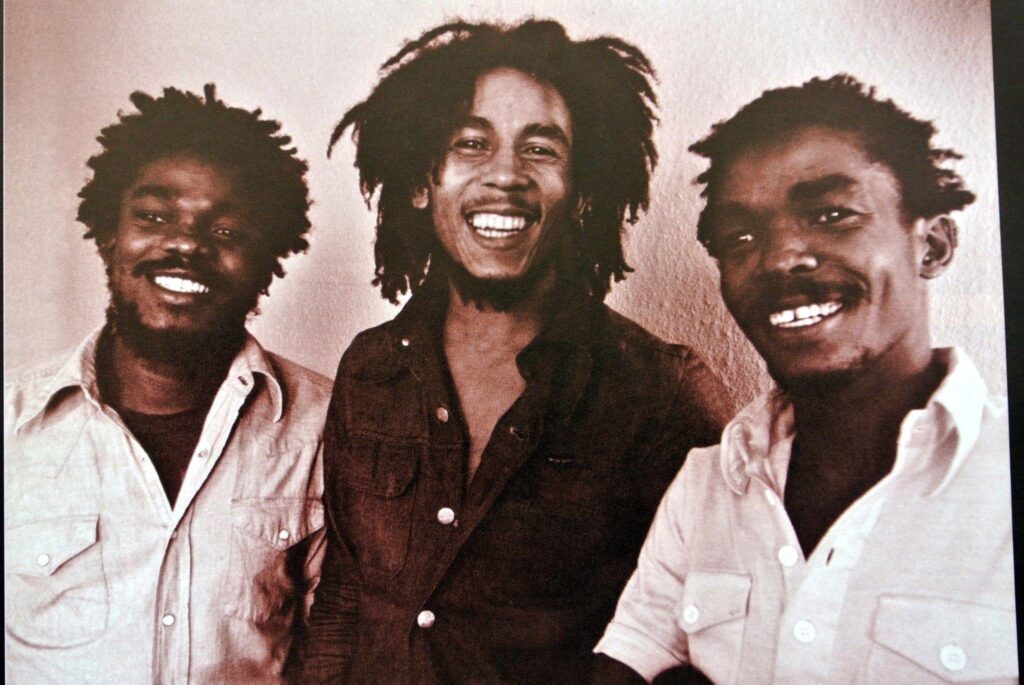
Bob Marley’s journey into professional music began in the early 1960s.
He connected with two young musicians who would become central figures in reggae history: Neville Livingston, better known as Bunny Wailer, and Winston McIntosh, later known as Peter Tosh.
Together, they formed The Wailing Wailers, a group that would eventually become known as The Wailers.
In 1963, the group recorded Simmer Down for producer Clement “Coxsone” Dodd at Studio One. The song became a Jamaican hit and introduced audiences to the group’s emerging sound.
Their early recordings were rooted in ska, the energetic Jamaican musical style that dominated the island at the time.
As Jamaican music evolved from ska into rocksteady and eventually reggae, so did The Wailers.
The group worked with several important Jamaican producers, including Lee “Scratch” Perry, whose production helped shape some of their influential early recordings.
The Wailers were not simply trying to make popular songs. They were developing a distinctive musical identity, combining powerful harmonies, memorable melodies and lyrics that reflected Jamaican society.
Their partnership became one of the most important foundations of modern reggae music.
From Jamaica to the World: The Rise of Bob Marley
The international breakthrough came in the early 1970s.
A significant turning point arrived when The Wailers signed with Island Records, founded by Chris Blackwell. Their album Catch a Fire, released in 1973, introduced their music to a much wider international audience.
Unlike many earlier Jamaican releases, the album received international distribution and was presented to overseas audiences with a production approach designed to appeal beyond Jamaica.
It was followed by Burnin’, another important album that featured songs such as Get Up, Stand Up and I Shot the Sheriff.
The latter gained even greater international attention when Eric Clapton recorded his own version in 1974, taking it to the top of the US Billboard Hot 100.
These developments helped introduce Marley’s songwriting and reggae’s distinctive rhythm to listeners who had previously known very little about Jamaican music.
Following the departure of Peter Tosh and Bunny Wailer from the group in 1974, Marley continued performing and recording as Bob Marley and The Wailers.
With a new band and the backing vocal trio known as the I-Threes, featuring Rita Marley, Marcia Griffiths and Judy Mowatt, he entered an important new chapter of his career.
The world was beginning to recognise a voice that Jamaica had already embraced.
The Albums That Helped Define a Musical Legend
Bob Marley’s contribution to reggae cannot be understood without exploring the albums that shaped his career.
Each project captured a different dimension of his artistic identity, from spirituality and social consciousness to love, unity and personal reflection.
Catch a Fire (1973)
<PRIVATE_PERSON> Catch a Fire was a landmark album in the international presentation of reggae music.
It introduced a wider audience to The Wailers’ distinctive sound and featured songs including Stir It Up, Concrete Jungle and Slave Driver.
The album helped establish Marley and his group as serious international recording artists.
Burnin’ (1973)
Following the success of Catch a Fire, The Wailers released Burnin’.
The album featured two particularly influential songs: Get Up, Stand Up and I Shot the Sheriff.
Its themes of resistance, dignity and personal freedom reflected the social consciousness that became central to Marley’s music.
Natty Dread (1974)
Natty Dread marked another important stage in Marley’s development.
Featuring the emotional classic No Woman, No Cry, the album explored everyday life, community, hardship and Rastafarian spirituality.
The live version of No Woman, No Cry, recorded at the Lyceum Theatre in London in 1975, became one of his most celebrated performances.
Rastaman Vibration (1976)
This album strengthened Marley’s international standing, particularly in the United States.
Songs such as War, Positive Vibration and Crazy Baldhead demonstrated his commitment to social commentary and spiritual expression.
The album also featured themes of African identity, equality and resistance to oppression.
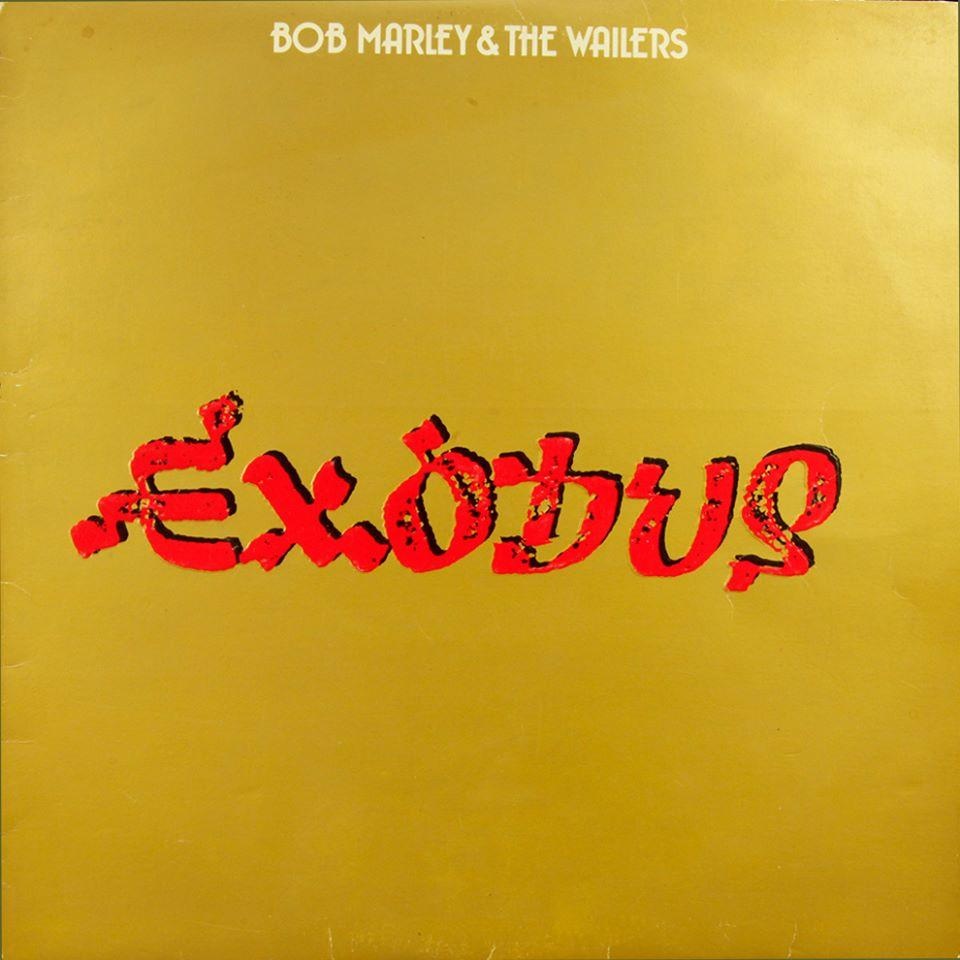
Exodus (1977)
Often regarded as one of the defining albums of his career, Exodus demonstrated the remarkable range of Marley’s songwriting.
Recorded in London during a period of political tension in Jamaica and personal exile, the album combined spiritual reflection, political awareness and uplifting musical arrangements.
It included One Love/People Get Ready, Jamming, Three Little Birds and Waiting in Vain.
The album’s international influence helped establish Marley as one of the most important musical figures of his generation.
Uprising (1980)
Released in 1980, Uprising was the final studio album released during Marley’s lifetime.
It included Could You Be Loved, Forever Loving Jah and the deeply moving Redemption Song.
The latter, performed largely with acoustic guitar, revealed a more intimate side of Marley as a songwriter.
It remains one of the most powerful examples of his ability to communicate profound ideas through simple musical arrangements.
More Than Music: Bob Marley’s Message of Love, Freedom and Unity
What separated Bob Marley from many other successful musicians was the depth of his message.
His songs were not written simply to entertain. They often addressed issues affecting ordinary people, particularly those experiencing poverty, discrimination and political oppression.
Marley was deeply influenced by Rastafarian beliefs, which shaped his understanding of spirituality, African identity, liberation and social justice.
His music frequently explored these themes.
Get Up, Stand Up encouraged people to defend their rights.
War addressed racial inequality and the struggle for human dignity.
Zimbabwe celebrated the country’s independence and the wider African liberation movement.
One Love offered a message of unity and togetherness.
His music connected personal experiences with broader social realities.
Importantly, Marley never confined his message to one country or community. His songs spoke to people across different cultures, languages and backgrounds.
That universal appeal helped reggae become more than a musical genre. It became a means of cultural expression and a voice for people who wanted their experiences to be heard.
Bob Marley and the Power of Live Performance
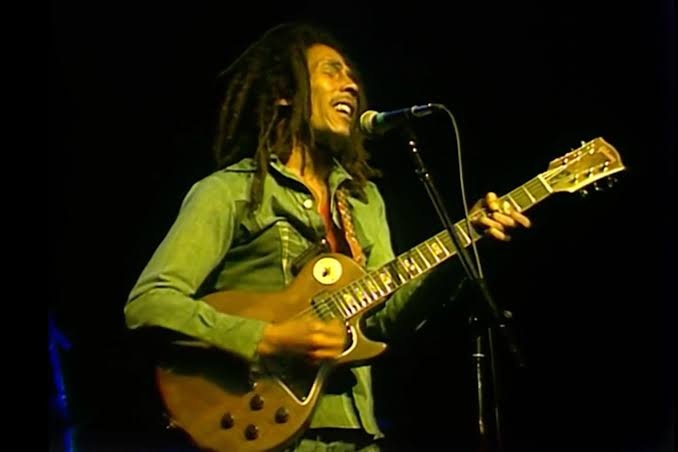
Listening to a Bob Marley recording is one experience. Watching him perform was another.
Marley possessed a distinctive stage presence, combining his unmistakable voice, rhythmic movement and connection with his audience.
His performances brought together music, spirituality and social consciousness.
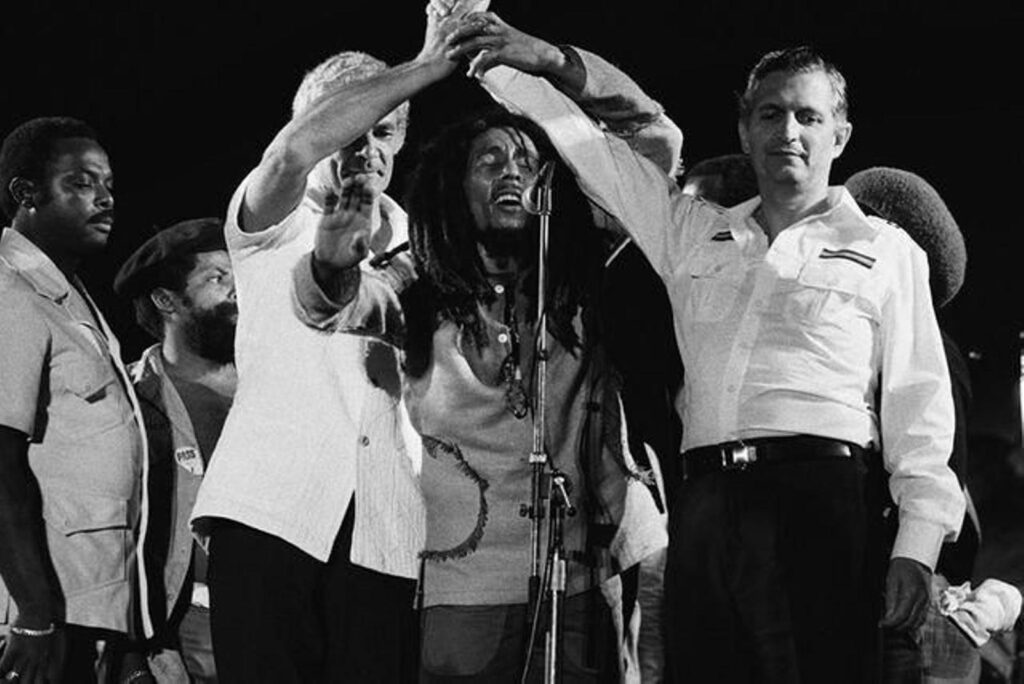
One particularly significant event was the One Love Peace Concert, held in Kingston, Jamaica, on April 22, 1978.
At a time of serious political tension in Jamaica, Marley brought together political leaders Michael Manley and Edward Seaga on stage and encouraged them to join hands.
The moment became one of the most memorable images associated with his commitment to peace and unity.
His performance at the concert demonstrated how music could create a space for dialogue, even during difficult political circumstances.
Another historic moment came in April 1980, when Marley performed in Zimbabwe during celebrations marking the country’s independence.
It was a powerful connection between Jamaican reggae and African liberation history.
The Final Chapter: The Passing of a Reggae Legend
Despite his international success, Bob Marley’s life was tragically short.
In 1977, he was diagnosed with acral lentiginous melanoma, a form of skin cancer that affected his toe.
He continued performing and recording music despite his illness, completing major projects and touring internationally.
In 1980, during a tour supporting Uprising, Marley collapsed while jogging in New York’s Central Park.
His health subsequently deteriorated, and he received treatment in the United States and Germany.
On May 11, 1981, Bob Marley died in Miami, Florida, at the age of 36.
His passing was a devastating moment for Jamaica and the international music community.
However, his music did not disappear with him.
In 1984, three years after his death, the compilation album Legend was released. It brought together many of his best-known recordings and introduced his music to another generation of listeners.
The album went on to become one of the best-selling reggae compilations of all time.
The Legacy: Why Bob Marley Still Matters Today
More than four decades after his death, Bob Marley’s influence remains deeply embedded in global music and popular culture.
His music continues to be played on radio stations, streamed online, performed at festivals and celebrated by reggae enthusiasts around the world.
Artists across reggae, hip-hop, rock, pop and other genres have drawn inspiration from his musical style and message.
His family has also continued his musical legacy, with artists including Ziggy Marley, Stephen Marley, Damian Marley and Julian Marley developing their own identities within the music industry.
In 1994, Marley was inducted into the Rock & Roll Hall of Fame, recognising his extraordinary contribution to music.
His influence is also reflected in the continued popularity of reggae festivals, tribute performances, radio programmes and documentaries celebrating Jamaican music.
For reggae radio stations and podcasts, his recordings remain essential listening.
But perhaps his greatest achievement is something that cannot be measured through album sales, awards or streaming figures.
He helped the world recognise the cultural significance of Jamaica and its music.
Through his voice, reggae travelled far beyond the Caribbean, carrying elements of Jamaican history, identity, spirituality and social consciousness to audiences everywhere.
Bob Marley: The Voice That Will Never Fade
Bob Marley was more than a singer, songwriter or international music star. He was a cultural ambassador whose music gave reggae an unmistakable place in world history.
From the humble surroundings of Nine Mile and Trench Town to international concert stages, his journey demonstrated the extraordinary power of music to cross boundaries and bring people together.
His songs continue to remind listeners that music can entertain, educate, challenge injustice and inspire hope.
Whether it is the uplifting message of Three Little Birds, the emotional depth of Redemption Song, or the infectious rhythm of Could You Be Loved, there is something in Marley’s catalogue for almost every generation.
The man may have left this world in 1981, but his voice remains very much alive.
And whenever a reggae record spins, a radio DJ introduces a Marley classic, or a new listener discovers his music for the first time, his legacy finds another audience.
Bob Marley did not just carry reggae to the world. He helped the world fall in love with reggae.
Keep the Reggae Spirit Alive
Are you a lifelong Bob Marley fan, or did you discover his music more recently?
Which Bob Marley song means the most to you?
Share your thoughts with us, explore more reggae stories on our website, and keep listening to the music that continues to unite generations.
Keep the reggae spirit alive!